


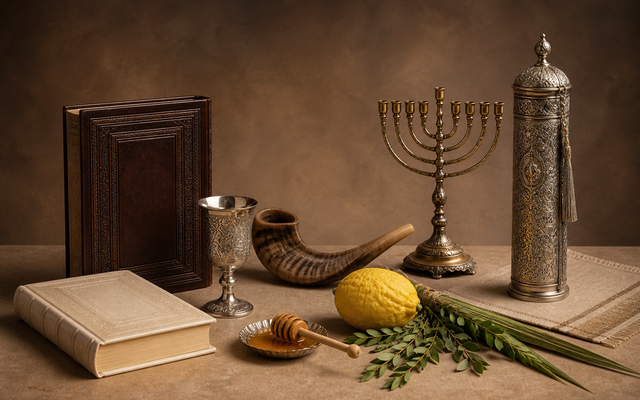



Sukkos 5787 Preparation Checklist
Sukkos preparation has a way of feeling far away until the day after Yom Kippur. Then the sukkah needs attention, the arba minim arrangements are still unfinished, a machzor is missing, the children want to decorate, and guests are asking what time the meal begins.
The easiest way to avoid that rush is to separate the work into three parts: what must be checked early, what is better handled closer to Yom Tov, and what belongs on the final-day list.
For 5787, Sukkos begins at sundown on Friday, September 25, 2026. In the Diaspora, the first two days of Yom Tov continue through nightfall on Sunday, September 27. Chol Hamoed follows, and Hoshana Rabbah is Friday, October 2. Shemini Atzeres and Simchas Torah begin that evening. The dates and day-of-week details are worth noting now because the Friday-night start affects meal, candle-lighting, and hosting plans. See the 2026 Sukkos calendar and overview.
This is a practical household and shopping checklist, not a guide to the halachos of building a sukkah or choosing kosher arba minim. For questions about your sukkah, schach, arba minim, candle lighting, or family minhag, ask your rav.
Browse the complete Sukkos 5787 collection, or use the checklist below to work one category at a time.
Sukkos checklist at a glance
- Inspect the sukkah frame, walls, hardware, schach, and storage condition.
- Confirm any construction or kashrus questions with a qualified rav before the last-minute rush.
- Measure the sukkah before buying wall panels, murals, lighting, or large decorations.
- Arrange the arba minim through a trusted source and confirm the pickup or delivery plan.
- Check whether lulav and esrog holders, protective cases, rings, or a bracha card are needed.
- Make sure each family member has the correct machzor or siddur for the family’s nusach.
- Count table linens, chairs, serving pieces, kiddush cups, challah items, washing cups, and benchers.
- Choose a few age-appropriate Sukkos books or activities for children.
- Plan for guests, weather, outdoor comfort, and safe access to the sukkah.
- Set aside labeled storage containers so putting everything away is easier after Yom Tov.
Four to six weeks before Sukkos: check the sukkah itself
Start with what is difficult to replace quickly. Take the sukkah out of storage early enough to find missing brackets, damaged panels, worn straps, or schach that needs to be reviewed. If you use a shared sukkah, confirm who is responsible for setup, seating, lighting, and cleanup.
Do not rely on last year’s setup from memory. Wind exposure, nearby trees, balconies, overhangs, and available space may be different. A sukkah can look complete while still raising a real halachic question, so bring questions to a rav or another qualified person before decorating covers the areas that need inspection.
Measure before choosing decorations
Write down the usable height and width of each wall, the location of doors and windows, and where the sukkah may be exposed to rain or wind. A large mural needs a different plan than a small plaque. Indoor-style pieces belong in a well-protected space; outdoor fabrics, PVC, vinyl, and other weather-conscious materials may be more practical in an exposed sukkah.
The full sukkah decorations buying guide explains materials, sizing, wall layouts, Ushpizin pieces, and storage in more detail. When you are ready to choose, browse the live sukkah decorations collection.
Two to three weeks before Sukkos: arrange the arba minim
The arba minim are the esrog, lulav, hadassim, and aravos. The species themselves, their condition, and the standards followed by your family or community are halachic matters. Arrange them through a trusted seller, shul, rav, or community source and ask what pickup, checking, and replacement process they use.
Accessories solve a different problem: protecting and carrying the minim. They do not establish the kashrus of the arba minim.
For a complete comparison of rigid boxes, soft cases, usable size, materials, carrying styles, personalization, and travel, use the esrog box and lulav holder buying guide.
Check the carriers you already own
- Is the lulav holder long enough and easy to carry?
- Does the esrog box or pouch close properly without pressing against its contents?
- Are handles, zippers, hinges, straps, and interior padding still in good condition?
- Will more than one family member need a case?
- If personalization is offered on the chosen item, has the Hebrew or English spelling been checked carefully?
Compare lulav and esrog essentials for the category as a whole, or go directly to lulav bags, holders, and cases. The live product page—not an old checklist—is the place to confirm current materials, dimensions, personalization options, and availability.
Choose the right Sukkos machzor and books
A beautiful cover cannot fix the wrong nusach. Before ordering a Sukkos machzor, confirm whether the reader uses Nusach Ashkenaz, Nusach Sefard, Chabad, Edot HaMizrach, or another edition. Then consider the reading experience:
- Hebrew only or translated: Choose based on how the person actually davens and learns.
- Full size or compact: Larger type may be easier for long davening; compact editions are easier to carry.
- Commentary or clean text: Some readers want explanations and introductions, while others prefer a less crowded page.
- Holiday coverage: Check the title and contents to see whether the edition includes Sukkos alone or also Shemini Atzeres and Simchas Torah.
Browse Sukkos and Succos machzorim by nusach. If you are buying for someone else, ask rather than guessing.
Build a small Sukkos reading shelf
One or two well-chosen books can add more to the week than a pile nobody opens. A family may want a practical halacha sefer, divrei Torah for the table, a book about the meaning of Sukkos, Koheles material, or a story children can enjoy before and during Yom Tov.
Browse Sukkos books and seforim and Sukkos items and books for children. Match the book to the reader’s age, language, and attention span instead of choosing only by cover.
One week before Sukkos: plan the table and the guests
A sukkah meal uses many of the same pieces as a Shabbos or Yom Tov table, but carrying items outdoors changes the setup. Walk through one meal from beginning to end. Where will the kiddush cup, challah, washing cup, towels, benchers, serving utensils, napkins, and cleanup supplies go? Is there a stable surface? Can children and older guests enter comfortably?
If you are hosting, count seats before inviting the final group. Think about weather and temperature without treating a forecast as certain this far in advance. Keep fragile pieces, electrical items, and flames within a safe setup that follows local rules and your family’s practice.
Many families use their regular Yom Tov pieces in the sukkah. If something is missing, browse Shabbos and Yom Tov table essentials and benchers and zemiros. The related benchers and zemiros guide can help with language, size, binding, and group-use choices.
If you are invited to someone else's sukkah, choose a thank-you that travels easily and does not create extra work during the meal. The Sukkos host-gift guide compares compact table pieces, useful Judaica, food considerations, and gift cards by the kind of invitation.
Give children a real role
Children usually enjoy Sukkos more when preparation is not something happening around them. Give each child a job that fits the age: choosing one decoration, making a welcome sign, setting out books, checking benchers, preparing place cards, or helping label storage.
For younger children, a board book or picture book can introduce sukkah, lulav, esrog, and Ushpizin vocabulary before Yom Tov. Independent readers may prefer a story, activity, or age-appropriate explanation. Keep the selection small enough that the books actually get read.
The final 72-hour checklist
By the last three days, the goal is no longer to redesign the sukkah. It is to remove small points of friction.
- Confirm the sukkah setup and any answers received about construction or schach.
- Install decorations with suitable fasteners and check exposed pieces after setup.
- Confirm arba minim pickup or delivery with the source providing them.
- Place the lulav holder and esrog case where they will not be forgotten.
- Put each person’s machzor or siddur in a clearly marked place.
- Set aside benchers, kiddush items, challah pieces, washing supplies, and table linens.
- Review seating, guest access, lighting, and a safe plan for rain or wind.
- Charge or install only those lights and devices that fit your Yom Tov plan and local safety requirements.
- Bring children’s books, quiet activities, and warm layers to an easy-to-reach spot.
- Check the community calendar for davening, hakafos, Simchas Beis Hashoeva, and children’s programs.
After Yom Tov: store what you will want next year
Good storage is part of next year’s preparation. Let washable or weather-exposed décor dry fully, follow each item’s care instructions, and avoid folding pieces along printed or raised details. Label containers by category—hardware, decorations, table items, books—rather than placing everything in one mixed box.
Note anything that broke or went missing while the details are fresh. For questions about handling or disposing of used arba minim or sacred printed material, follow your rav or community’s guidance.
Frequently asked questions
When should I start preparing for Sukkos?
Check stored sukkah parts and reusable items four to six weeks ahead when possible. Arrange time-sensitive items according to the schedule of the trusted source providing them. The final week should be for setup and confirmation, not discovering missing hardware or the wrong machzor.
Are Sukkos and Sukkot the same holiday?
Yes. “Sukkos,” “Succos,” and “Sukkot” are common English transliterations of the same Hebrew holiday. Judaica Square uses the spellings naturally so shoppers searching in different ways can find the right aisle.
Do I need a dedicated Sukkos machzor?
That depends on the siddur or machzor you already use and your shul’s practice. A dedicated Sukkos machzor can make the holiday sections easier to follow and may include translation or commentary. Check the nusach and contents before buying.
Can a lulav or esrog case tell me whether the arba minim are kosher?
No. A case is for protection and transport. Questions about the species, condition, binding, or family standards should go to the trusted seller or rav guiding your purchase.
Prepare one aisle at a time
You do not need to buy everything new. Check what the family already owns, replace what is missing or worn, and spend the rest of the time creating a sukkah people will want to sit in.
Shop Sukkos 5787 at Judaica Square for decorations, machzorim, lulav and esrog accessories, books, children’s items, and Yom Tov table pieces. Availability and item details can change, so use each live product page as the source of truth.