




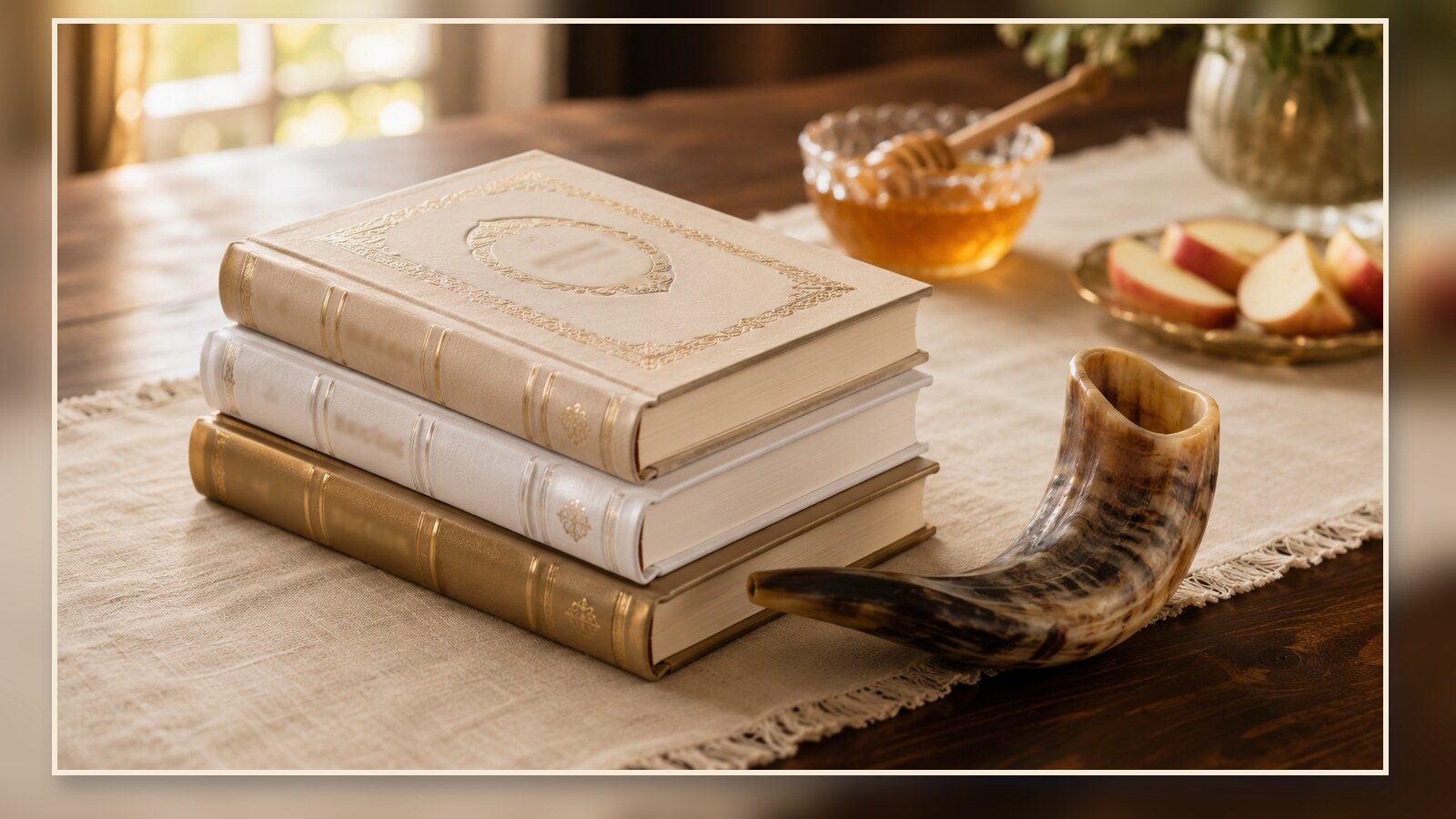
Which Machzor Should You Buy? A Rosh Hashanah & Yom Kippur Nusach Guide
Choosing a machzor comes down to three quick decisions: your nusach (Ashkenaz, Sefard, or Sephardic/Edot HaMizrach), how much translation or transliteration you want (Hebrew-only, Hebrew-English, or interlinear), and the size that fits your hands and your shul bag. Get those three right and you'll have a machzor you'll use for decades.
The Yamim Noraim davening is long, the piyutim are dense, and the right machzor is the difference between following along with kavanah and losing your place. Here's how to choose, with picks from our full Rosh Hashanah machzorim and Yom Kippur machzorim collections.
Step 1: Choose your nusach
Your nusach is set by the shul you daven in, and using the matching machzor keeps you on the same page as the tzibbur. There are three families to choose from, and one common mix-up worth clearing up first.
Ashkenaz
Nusach Ashkenaz is used by most Litvish, yeshivish, German, and other non-Chassidic Ashkenazi kehillos. If you daven in a standard Ashkenazi shul or a yeshiva, this is almost certainly you. Popular choices include the ArtScroll Classic Hebrew-English Machzor, the Koren Sacks Machzor, and the Hebrew-only Machzor Mesivta (Oz Vehadar) and Keter Melucha (Feldheim).
Nusach Sefard (Chassidic)
Worth clearing up: “Nusach Sefard” is not the same as Sephardic. It is the nusach used by Chassidishe and many heimishe Ashkenazi shuls, shaped by the minhagim of the Arizal — but the mispallelim are Ashkenazi Jews. If your shul is Chassidish, look for a machzor marked Sefard, such as Machzor Keter Melucha, Sefard or a Koren machzor in Nusach Sefard.
Sephardic / Edot HaMizrach
This is for Sephardi and Mizrachi communities — Spanish-Portuguese, Syrian, Moroccan, Persian, and other Edot HaMizrach. Look for machzorim labeled Sepharad, Edot HaMizrach, or Sephardic, such as the Koren Sacks Sepharad Machzor, the Koren Classic Edot Mizrach, the Orot Sephardic Mahazor, or the interlinear Yedid Hashem. Hebrew/Spanish editions are also available for Spanish-speaking kehillos.
Step 2: Choose your language and translation style
Once your nusach is set, decide how much help you want reading and understanding the tefillos. This is the biggest factor in how connected you'll feel to the davening, and there are four common styles.
- Hebrew-only — for fluent readers who don't need translation. Cleanest and lightest, often the most affordable. See Machzor Mesivta, or Keter Melucha, which adds a translation of difficult words into simpler Hebrew.
- Hebrew-English — Hebrew on one side with the English translation facing it. The standard for most English-speaking baalei battim; the ArtScroll Classic and Koren Sacks machzorim lead here.
- Interlinear — the English sits directly under each Hebrew word, so you never lose the place or the meaning. Ideal if you want to understand as you daven; the ArtScroll Interlinear Machzor is the most popular.
- Linear & transliteration — a line-by-line translation, with some editions adding phonetic transliteration for those still building Hebrew fluency. See the Metsudah Machzor and Metsudah EZ Read, or the Sephardic Lev Eliezer with linear transliteration.
Step 3: Choose size and format
The right size depends on where you'll use the machzor. A standard hardcover suits a fixed makom in shul; a pocket or compact edition travels well; and large-type editions are a gift to anyone who finds small print a strain.
- Pocket / compact — light for travel or a crowded shtender, like the Koren Compact and Metsudah Pocket Size.
- Standard hardcover — the everyday choice, durable enough to last decades.
- Large type — easier on the eyes for older mispallelim; see the ArtScroll Large-Type Yom Kippur Machzor.
- Two-volume sets — Rosh Hashanah and Yom Kippur together at better value; the ArtScroll 2-Volume Sets (Classic and Interlinear) are the most popular.
Should I buy Rosh Hashanah and Yom Kippur together?
If you'll daven from your own machzor on both Yamim Noraim, a matching two-volume set is usually the better buy — one purchase, matching editions, and a lower price than two singles. If you only need one, or you share a set at home, buy the single you'll actually use. Compare options in Rosh Hashanah machzorim and Yom Kippur machzorim.
Frequently asked questions
What's the difference between Nusach Sefard and Sephardic?
Nusach Sefard is used by Chassidic Ashkenazi Jews and is based on the minhagim of the Arizal. Sephardic (Edot HaMizrach) machzorim are for Sephardi and Mizrachi communities. They are different nuschaos, so always confirm which your shul uses before buying.
Which machzor is best for a beginner or baal teshuvah?
An interlinear machzor like the ArtScroll Interlinear keeps the translation under every word, so you can follow and understand without losing your place. A linear or transliterated edition such as Metsudah EZ Read is another strong choice for building fluency.
What machzor do most yeshivish and Litvish shuls use?
Nusach Ashkenaz. The ArtScroll Classic Hebrew-English and Koren Sacks machzorim are the most common in English-speaking Ashkenazi kehillos, with Hebrew-only options like Machzor Mesivta for fluent readers.
When should I order my machzor?
Ordering earlier in the season gives you more time to choose the right nusach and format. If you need a machzor by a specific date, call or WhatsApp us before ordering so we can confirm the available options.
Still deciding? Our team in Lakewood can help match a machzor to your shul's nusach — call or WhatsApp (732) 444-3111, or shop the full Rosh Hashanah and Yom Kippur collections.