





How to Choose a Shofar: Ram's Horn vs. Yemenite, Sizes & Kashrus
Choose a shofar for the person who will blow it, with the horn type and kashrus established before its appearance. A dramatic curve or large size is not enough to tell you whether a particular shofar is suitable or comfortable to use.
Start with three questions: What does the blower’s community use? Who has verified this specific shofar’s suitability? Can the intended blower produce the required sounds comfortably? For practical halachic questions, consult your rav or an experienced qualified baal tokea.
Ram’s horn and Yemenite styles: confirm the specific item
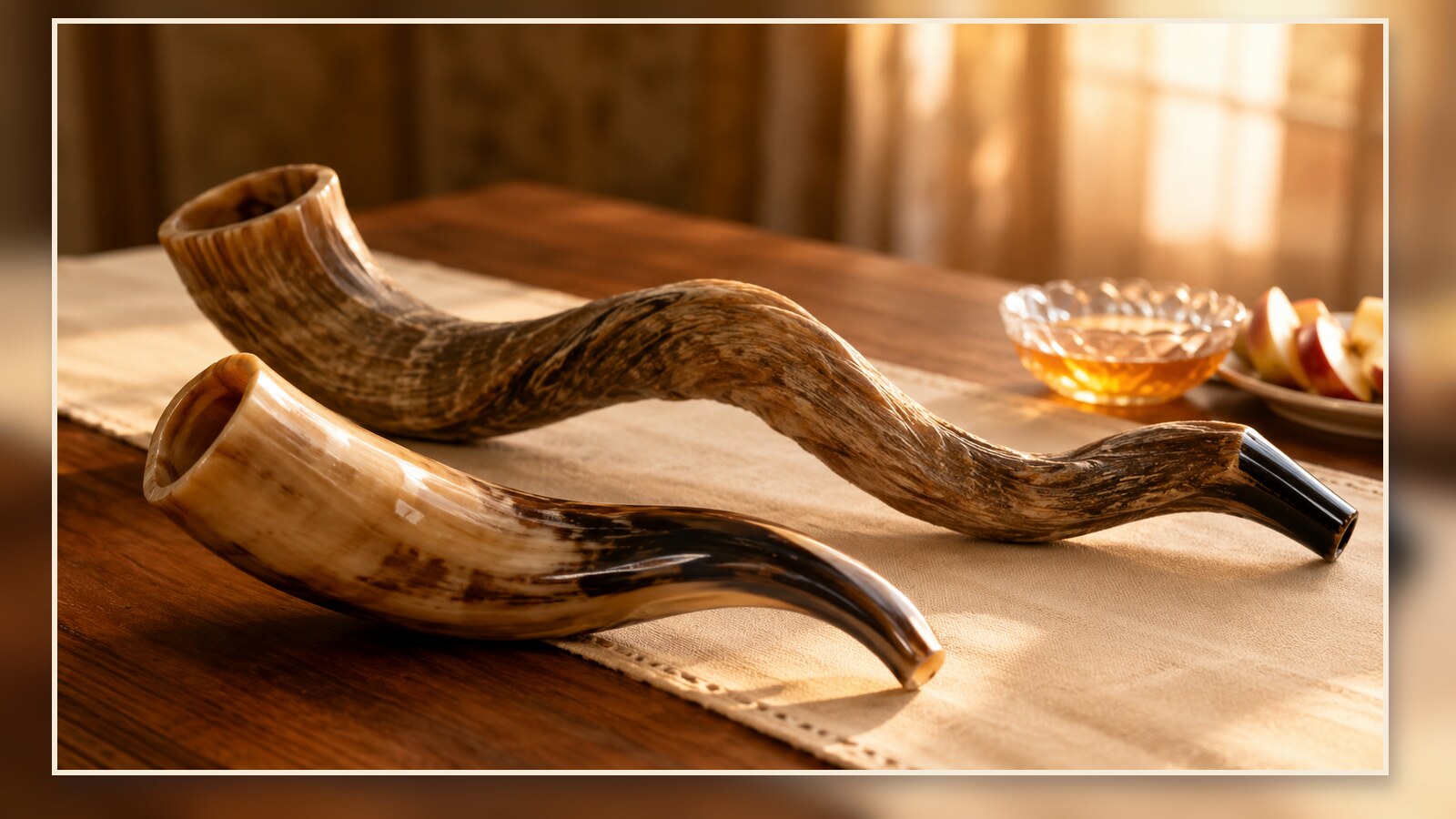
A classic curved ram’s horn and the long twisted style often called a Yemenite shofar are visually different options. Follow the relevant community practice when choosing. Do not generalize from a decorative product name or assume every animal horn is suitable for the mitzvah.
Read the exact product description and kashrus information. If the horn species, provenance or intended use is unclear, resolve those questions before buying for ritual use.
Test comfort instead of choosing by length alone
The mouthpiece and the way a shofar responds to the blower matter. A longer horn is not automatically easier, better or appropriate for a beginner. If testing is possible under the seller’s arrangements, let the intended user compare the actual pieces.
Chabad’s shofar buying guidance discusses minimum size and practical checks such as the mouthpiece and condition. Ask for the supplier’s measurement method: dimensions along a curve and straight-line measurements are not interchangeable.
Finish and condition are not purely decorative
Do not assume polishing, coatings, repairs, cracks or holes are irrelevant to suitability. Before buying a decorative or modified horn for the mitzvah, get the exact piece’s status checked. Do not apply coatings or attempt repairs yourself.
A photograph can help you assess appearance, but it cannot replace appropriate verification of the horn. Check the product-specific certification or other kashrus information and ask who can answer questions about that item.
Keep ritual shofars separate from toys and accessories
Our shofar-related collection includes different types of items. Read each listing carefully: a plastic toy, whistle, sticker or decorative accessory is not a ritual shofar. If you are shopping for a baal tokea, choose only a product explicitly intended for that use and verify its status.
For children, check the manufacturer’s age guidance and supervision requirements. A toy can support learning and play; it should not be described as fulfilling the mitzvah of shofar.
Choose protection that fits the actual shape
Measure the specific horn before buying a bag, case or stand. Allow room for its curve and mouthpiece without pressure against a hard edge. Follow the supplier’s cleaning and storage instructions; do not use an improvised chemical or heat treatment to solve an odor or appearance issue.
Questions worth asking before ordering
- Is this listing a ritual shofar, a toy or an accessory?
- What is the horn type and what kashrus information is supplied?
- How is its size measured?
- Has this exact horn been repaired, coated or altered?
- What testing or selection arrangements are available?
- Which case or storage method fits it?
For product information, contact Judaica Square with the exact item name or link. For the other seasonal preparations, our machzor buying guide helps match the reader’s nusach and format.
Types of shofar
| Type | What it is | Good to know |
|---|---|---|
| Ram's horn | Curved horn of a ram | The shofar halacha prefers for Rosh Hashanah |
| Yemenite | Long spiral horn, often from a kudu | Deep sound; ask your rabbi before using it for the mitzvah |
| Polished | Ram's horn with a smoothed, shined surface | Same horn type, different finish |
| Toy shofar | Plastic or small real horn for kids | For play and learning, not for the mitzvah |
Sizes
Shofars are measured along the outside curve. Shorter ram's horns of about 12 to 15 inches are easier for beginners and children to hold, while longer horns of 16 inches and up give a fuller sound and suit a shul baal tokea. Each listing shows its length range.
Care
Keep a shofar in a bag or case away from heat and direct sun, which can dry and crack the horn. Let it air out after use, and follow any cleaning notes from the maker.
Shofars and accessories to compare


See all shofars and bags in our shofar collection.
Frequently asked questions
What kind of shofar should I buy for Rosh Hashanah?
Halacha prefers a ram's horn, and that is what most shuls and families use. If you want a Yemenite or other horn for the mitzvah, ask your rabbi first.
What size shofar is easiest to blow?
Many beginners find a ram's horn of about 12 to 15 inches easier to hold and control. Longer horns give a fuller sound but take more practice.
How do I care for a shofar?
Store it in a bag or case away from heat and direct sun, let it air out after blowing, and follow the maker's cleaning notes.
Are toy shofars kosher for the mitzvah?
No. Plastic toy shofars are for play and learning. Use a real horn shofar for the mitzvah.
Ships nationwide from Judaica Square, with local pickup available in Lakewood, NJ.